
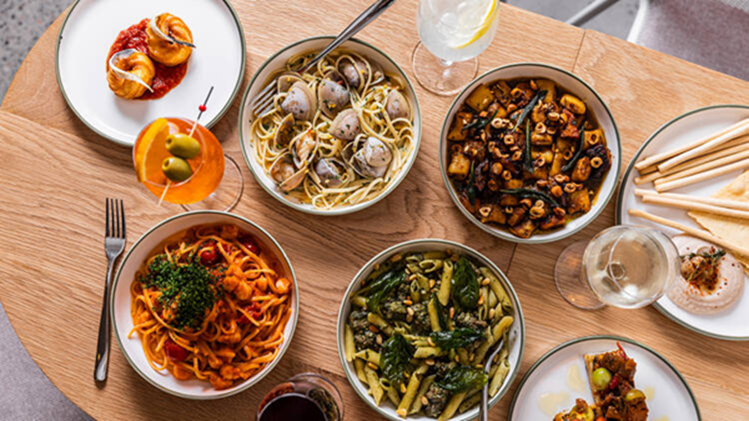
The $30 Bowl of Pasta Question Everyone Is Afraid to Ask
At some point, every pasta lover in Singapore has paused mid-menu and hesitated. The description sounds beautiful. The ingredients seem simple. Then your eyes land on the price. Suddenly, the question forms quietly in your head: is handmade pasta really worth this much?
Handmade pasta has become a badge of honour for many Italian restaurants, often positioned as a premium experience. Yet not all diners are convinced that rolling dough by hand should justify a higher bill. This article takes a clear, honest look at what you are actually paying for, when handmade pasta genuinely delivers more value, and when the price may be more about perception than payoff.
What “Handmade Pasta” Really Means in Practice
Handmade pasta is often misunderstood. It does not simply mean that the pasta is fresh or prepared in-house. It refers to a process where the dough is mixed, kneaded, rolled, and shaped manually, or with minimal mechanical assistance.
This hands-on approach creates subtle variations in thickness, texture, and surface roughness. These imperfections are intentional and valuable. They influence how sauce clings to the pasta and how each bite feels in the mouth.
Not all handmade pasta is created equal, but when done well, the process produces a noticeably different eating experience.
Why Handmade Pasta Costs More
The higher price of handmade pasta is not arbitrary. It reflects labour, skill, and time.
Handmade pasta requires trained staff who understand dough hydration, kneading technique, resting times, and shaping. It cannot be rushed or automated easily without compromising quality. Consistency also relies heavily on experience rather than machines.
In a city like Singapore, where labour and rental costs are already high, these factors naturally push prices upward.
Texture Is the Real Game Changer
When diners say handmade pasta tastes better, they are often reacting to texture rather than flavour.
Handmade pasta tends to have a more irregular surface. This allows sauces to cling rather than slide off. The bite often feels more satisfying, offering resistance without being tough.
This textural complexity is difficult to replicate with mass-produced or heavily machine-made pasta. It is subtle, but once noticed, it becomes hard to ignore.
Does Handmade Pasta Actually Taste Better
Taste is subjective, but there are measurable differences.
Handmade pasta often absorbs sauce differently, creating a more integrated flavour. The dough itself may also taste slightly richer due to how it is mixed and rested.
That said, handmade does not automatically mean better. Poorly executed handmade pasta can be dense, uneven, or bland. Skill matters more than the label.
Fresh Pasta vs Handmade Pasta Pricing Confusion
Many diners assume fresh pasta and handmade pasta are the same thing. This confusion often affects perceptions of value.
Fresh pasta can be machine-made, produced in bulk, and stored chilled. Handmade pasta involves manual shaping and attention at every step. The latter is more labour-intensive and less scalable.
When restaurants charge more for handmade pasta, the premium reflects the process, not just freshness.
When Handmade Pasta Is Worth the Price
Handmade pasta is most worth the price when the dish is simple.
Plates like cacio e pepe, aglio olio, or butter-based sauces rely heavily on the pasta itself. There is nowhere for flaws to hide. In these cases, handmade texture elevates the entire dish.
Many places associated with the best pasta in Singapore build their reputation on these understated plates, where craftsmanship is obvious from the first bite.
When Handmade Pasta Might Not Be Worth It
In heavily sauced or complex dishes, the difference between handmade and high-quality dried pasta becomes less noticeable.
Thick ragùs, heavily spiced sauces, or cheese-laden preparations can mask textural nuance. In such cases, excellent dried pasta can perform just as well.
Paying a premium for handmade pasta only makes sense if the dish allows it to shine.
The Role of Sauce Pairing
Handmade pasta excels when paired thoughtfully with the right sauce.
Shapes with ridges, folds, or irregular edges are designed to catch sauce. When chefs match shape to sauce intentionally, the result feels cohesive and deliberate.
Poor pairing undermines the value of handmade pasta, regardless of how much effort went into making it.
Ingredient Quality Still Matters
Handmade pasta does not excuse mediocre ingredients.
Flour quality, egg freshness, and hydration levels all affect the final result. A restaurant that hand-rolls dough but cuts corners on ingredients will not deliver a superior product.
The best handmade pasta experiences combine technique with ingredient integrity.
Why Handmade Pasta Feels More Satisfying
Beyond taste and texture, handmade pasta often feels more satisfying psychologically.
Knowing that something was crafted by hand adds emotional value. Diners tend to eat more slowly, notice details, and appreciate the dish more fully.
This perceived value is not imaginary. Dining is an experience, not just a transaction.
Price vs Value: Not the Same Thing
High price does not always equal high value.
Value depends on execution, consistency, and how well the dish delivers on expectations. A modestly priced handmade pasta that is cooked perfectly may feel far more valuable than an expensive one that misses the mark.
Evaluating value requires attention, not assumptions.
Why Singapore Has Embraced Handmade Pasta
Singapore’s dining scene rewards craftsmanship. Diners here are discerning, well-travelled, and willing to pay for quality.
This environment has encouraged restaurants to invest in handmade techniques, even when operationally challenging. As a result, standards have risen across the board.
The growing conversation around the best pasta in Singapore reflects this maturity in taste and expectation.
Is Handmade Pasta Just a Trend
Handmade pasta is not new. It predates machines by centuries.
What has changed is visibility. Social media, open kitchens, and storytelling have brought the process to the forefront. Diners now see the labour behind the plate.
This transparency has helped justify the price, but the craft itself has always existed.
What Diners Should Look For Before Paying the Premium
If you are considering whether handmade pasta is worth the price, look beyond the menu description.
Ask how often the pasta is made. Notice whether the menu is focused or overly broad. Observe how the dish is balanced rather than overloaded.
Restaurants confident in their handmade pasta usually let the food speak without excessive embellishment.
Does Handmade Pasta Mean Smaller Portions
Handmade pasta portions are often more restrained. This can surprise diners used to oversized plates.
In Italian dining philosophy, pasta is part of a meal, not the entire meal. Portion control allows quality to take centre stage.
Smaller portions do not indicate poor value when the dish delivers depth and satisfaction.
The Labour Factor Most Diners Overlook
Each plate of handmade pasta represents time spent before service even begins.
Dough must rest. Pasta must be shaped. Mistakes must be corrected. None of this happens during peak service hours.
That unseen labour is a major component of the price, even if it is not visible on the plate.
Can Handmade Pasta Be Overhyped
Yes. Like any culinary trend, handmade pasta can be overused as a marketing term.
Some restaurants rely on the label without delivering corresponding quality. This is where diners feel disappointed and sceptical.
Discerning diners learn to judge by experience rather than claims.
Is Handmade Pasta Always the Best Choice
Not always.
Some of Italy’s most iconic dishes rely on dried pasta. These dishes are not inferior, they are simply different.
The best pasta experience depends on the dish, the execution, and your personal preference.
Final Thoughts
So, is handmade pasta worth the price? The honest answer is: sometimes, and when it is, it is unmistakable.
When handmade pasta is executed with skill, paired thoughtfully, and allowed to shine, the premium feels justified. It delivers texture, balance, and satisfaction that elevate the meal beyond the ordinary.
In Singapore’s competitive dining scene, the best pasta in Singapore is rarely defined by price alone. It is defined by care, intention, and the quiet confidence of a dish that does not need to shout to be remembered.