Seasonal Menu Planning with the Right Commercial Refrigerator
Creating a seasonal menu is one of the most effective ways for restaurants, cafés, and catering businesses to stay relevant and profitable throughout the year. Customers are increasingly drawn to fresh, locally sourced ingredients that reflect the changing seasons. However, the success of any seasonal menu doesn’t depend solely on creativity—it also depends on having the right equipment to store, preserve, and prepare these ingredients safely. This is where a commercial refrigerator becomes the cornerstone of any professional kitchen.
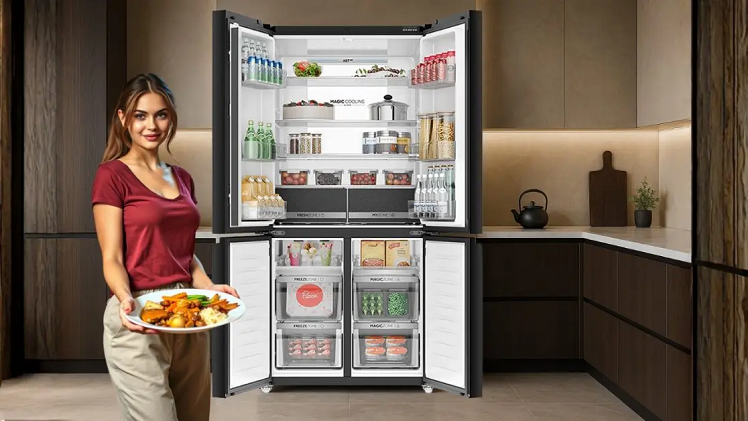
The right commercial refrigerator for seasonal menu prep ensures that chefs can store perishable items efficiently, maintain consistent temperatures, and comply with food safety standards. Whether you are storing fresh produce in summer, seafood in spring, or root vegetables in winter, your choice of refrigeration directly impacts food quality, waste reduction, and operational efficiency.
In this article, we’ll explore how commercial refrigeration supports seasonal menu planning, what features matter most when choosing a professional refrigerator, and why investing in certified equipment—such as a UL refrigerator—can make all the difference for long-term success.
Why Seasonal Menu Planning Matters
Seasonal menu planning allows restaurants to stay creative and competitive while managing costs effectively. Using ingredients at their seasonal peak means they are fresher, tastier, and often more affordable. It also aligns your brand with sustainable dining trends that customers increasingly value.
However, managing seasonal ingredients presents storage challenges. Fresh produce, dairy, meats, and seafood all have different temperature and humidity requirements. Without reliable refrigeration, these perishable items can lose quality or spoil quickly. The right commercial fridge ensures you maintain the integrity of every ingredient from delivery to plating.
A well-designed refrigeration system allows chefs to plan ahead—ordering ingredients in bulk when they’re most abundant and storing them safely until they’re ready for use. This flexibility is especially important when menu items rotate frequently.
The Role of Commercial Refrigeration in Seasonal Menu Prep
A commercial refrigerator plays multiple roles in a professional kitchen. It’s not just about keeping things cold—it’s about maintaining precise temperature control and maximizing freshness while preventing cross-contamination.
For example, in the summer months, chefs rely on refrigerators to preserve delicate produce like berries, greens, and herbs, which wilt easily in high temperatures. In winter, they may use a commercial freezer for sale to store large quantities of soups, stocks, and root vegetables for longer periods.
Modern professional refrigerators are designed with the flexibility needed for such seasonal transitions. Features like adjustable shelving, humidity controls, and digital temperature monitoring allow kitchens to adapt quickly to changing menus.
Moreover, investing in a UL refrigerator ensures the appliance has been rigorously tested for safety and performance. UL certification is a mark of compliance with industry standards, providing confidence that your refrigeration system will maintain stable temperatures and operate reliably throughout the year.
How to Match Refrigeration to Seasonal Needs
Each season brings its own storage challenges. Here’s how restaurants can align their refrigeration setup with seasonal menu cycles:
Spring – Fresh Greens and Seafood
Spring menus often highlight crisp vegetables, herbs, and seafood. These ingredients are highly sensitive to temperature and moisture changes. A commercial refrigerator for seasonal menu prep should feature adjustable humidity controls to keep greens crisp and fish fresh without drying out.
Summer – Fruits, Cold Beverages, and Light Meals
Summer demands a mix of cooling performance and capacity. Chefs often prepare smoothies, cold salads, and desserts that require chilled ingredients. A high-performance commercial fridge with glass doors helps staff access ingredients quickly while maintaining stable cooling under frequent use. For bulk storage of ice cream or frozen fruits, a commercial freezer becomes indispensable.
Autumn – Meats, Dairy, and Root Vegetables
Autumn brings heavier dishes that rely on ingredients like pumpkins, potatoes, and meats. This season requires consistent, low-temperature storage to prevent spoilage. A professional refrigerator with spacious compartments and adjustable shelving is ideal for organizing large cuts of meat or dairy products.
Winter – Soups, Stocks, and Prepared Meals
During colder months, kitchens often prepare soups and sauces in advance. A commercial freezer for sale can store these items safely for extended periods without sacrificing flavor or texture. Investing in energy-efficient models helps lower operating costs when kitchen demand is high.
By rotating refrigerator use according to seasonal needs, restaurants can maximize efficiency and reduce waste—all while offering fresher, better-tasting dishes to customers.
Choosing the Right Commercial Refrigerator
Not all commercial fridges are created equal. When choosing a commercial refrigerator, consider the following factors to ensure your investment aligns with your seasonal menu goals:
- Capacity and Configuration
Your refrigerator should match your kitchen’s workflow. Reach-in units are great for high-traffic areas, while undercounter models are perfect for prep stations. For larger operations, walk-in coolers provide the storage space needed for seasonal bulk ingredients. - Temperature Range and Control
Precise temperature control is essential when dealing with perishable items. Digital thermostats and self-regulating compressors help maintain consistency, ensuring food safety during busy service hours. - Energy Efficiency
Energy-efficient refrigeration can cut costs significantly, especially during hot months when cooling systems work harder. Look for ENERGY STAR-rated or UL-certified refrigerators with modern inverter compressors and LED lighting. - Durability and Hygiene
A professional refrigerator built from stainless steel is easy to clean and resistant to corrosion, which helps maintain hygiene standards. Rounded corners and removable gaskets also make routine cleaning easier. - Adaptability for Seasonal Changes
Adjustable shelving and multi-zone cooling are valuable for changing menu requirements. Being able to switch between high-humidity and low-humidity zones allows chefs to store everything from greens to meats efficiently.
The Importance of UL Certification
When it comes to food storage, safety and compliance are non-negotiable. Choosing a UL refrigerator guarantees that the unit has been tested for performance, safety, and energy efficiency under rigorous laboratory standards.
UL certification also reassures inspectors, insurance providers, and customers that your kitchen equipment meets recognized North American safety standards. For businesses that handle perishable goods daily, a certified commercial refrigerator is not just an asset—it’s a necessity for maintaining credibility and operational reliability.
Moreover, certified units often feature better insulation and energy management systems, which help maintain temperature consistency and extend the life of both the appliance and the stored food.
How the Right Refrigerator Reduces Waste and Costs
Food waste is one of the biggest challenges in the foodservice industry. Seasonal menus, though cost-effective, require precise ingredient management. A high-quality commercial fridge or freezer ensures products stay within safe temperature ranges, reducing spoilage and maintaining optimal freshness.
With improved storage comes longer shelf life, meaning restaurants can buy in bulk when seasonal ingredients are at their lowest price. This balance between freshness and efficiency supports profit margins throughout the year.
Furthermore, modern professional refrigerators are designed with eco-friendly refrigerants and better insulation, which reduce electricity consumption—helping businesses save money while contributing to sustainability goals.
Integrating Refrigeration into Menu Planning
Effective seasonal menu planning doesn’t stop at the recipe stage—it starts with your equipment setup. Here’s how to integrate refrigeration into your planning process:
- Evaluate Storage Capacity: Estimate how much space each ingredient type requires throughout the season.
- Schedule Rotation: Use the FIFO (First In, First Out) method to keep inventory fresh.
- Plan for Freezer Use: A commercial freezer for sale can help store sauces, stocks, or semi-prepped dishes that support fast service during peak hours.
- Monitor Performance: Regular maintenance and temperature checks ensure your commercial refrigerator runs efficiently throughout changing weather conditions.
A strategic refrigeration plan helps your kitchen handle seasonal demand spikes without compromising food quality or service speed.
The Connection Between Freshness and Customer Experience
Freshness is at the heart of every great seasonal menu. Customers can taste the difference when ingredients are stored and handled properly. A reliable commercial refrigerator for seasonal menu prep not only keeps ingredients at the right temperature but also preserves their color, texture, and nutritional value.
Restaurants that prioritize freshness build trust and loyalty. When guests associate your brand with quality and consistency, they’re more likely to return and recommend your business to others.
Conclusion
Seasonal menu planning is both an art and a science—and at the center of that balance is the commercial refrigerator. It enables chefs to bring creative, fresh, and sustainable dishes to the table while maintaining efficiency and food safety.
Investing in the right commercial fridge or commercial freezer for sale ensures your business can adapt seamlessly to seasonal changes. With advanced features, energy efficiency, and UL-certified safety standards, a professional refrigerator supports not just your menu but your entire operation.
Whether you’re managing a small café, a high-volume restaurant, or a catering business, the right refrigeration strategy will help you minimize waste, control costs, and deliver the freshest flavors all year round. A reliable UL refrigerator isn’t just a piece of equipment—it’s the foundation of a successful, seasonally inspired kitchen.